MeyerHaugen

Career tools

To you who are job seeking

The process of changing jobs usually goes through four phases. First you have to find out what you want, and then you have to find a relevant job that is available.The process of changing jobs usually goes through four phases. First you have to find out what you want, and then you have to find a relevant job that is available. When you have found a job to apply for, you must write an application that ensures you will come to an interview. And finally, you have to master the interview. On this page, we collect information that can help you succeed as a job seeker.   

We offer physical and digital jobseeker courses to help you make your competence as a jobseeker visible.

Step 1: I'm ready for another job, but I don't know what.

The first step towards a new job is finding out what you want. Do you want to develop your career? Or have you found yourself in a situation where you need to find a new job, but would like to try a new field?

Figuring out what the next job is for you can be difficult, but the better you understand what you want, the easier it is to find jobs to apply for. Awareness of motivation makes it easier for others to help you, and is absolutely central to actually getting the right job.

Step 2: I know what I want, but how do I find the right job to apply for?

The job market can be difficult enough to navigate, and on top of that, not all positions are actually advertised. How do you make yourself a candidate for these positions?

Recruiters use, among other things, LinkedIn to find relevant candidates. It is therefore important that you have an updated and relevant LinkedIn profile, so that we can find you when we are looking for candidates.


Job openings are "fresh produce".On our sites you will find the job openings we´re curently working with. If you cant find the right job for you, you may also chose to register your CV in our database. 

LinkedIn is one of several tools recruiters use to find relevant candidates for positions. Make sure your LinkedIn profile is relevant and up-to-date.

Make sure that both your CV and application are adapted to the position you are applying for.

Step 3: I've found the job, but how do I increase my chances of getting an interview?

Perhaps you are already daydreaming about your new working life. Between you and the interview stands a good application and CV. How can you stand out in the crowd of job seekers?

A cover letter highlights your skills and experience. The application should show a bit of your personality and explain your motivations. It acts as a link between you and your CV. Both your cover letter and CV must demonstrate why you are specifically relevant for the job you are applying for. If you truly want to submit a strong application, you must understand what the employer is looking for. Here you will find assistance in writing a good CV and cover letter.

Step 4: I've been called for an interview – how can I prepare?

At last, you've received the invitation! However, the interview process can be demanding. You'll meet people you don't know, who will assess if you are the best candidate for the job.

Those candidates who do best in the interview are well prepared, are aware of what motivates them, are themselves, and are focused on the job they are applying for. Read up well in advance and practice the interview setting. Also think carefully about what is important for you to get answers to during the interview.

Coming prepared to an interview can mean the difference between getting the job or not.

Recommended book

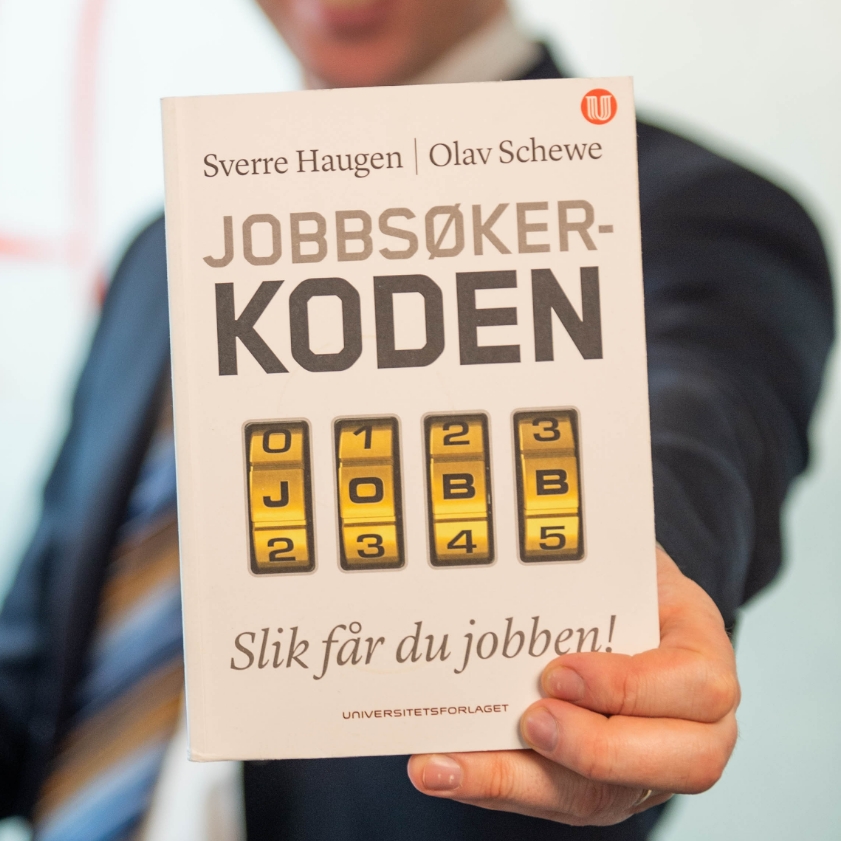
The Job Seeker's Code – How to Get the Job, is about just that. How do you crack the code and get the job you've always dreamed of? You can buy the book at the MeyerHaugen price via Universitetsforlaget. Click on the button below, add the book to your shopping basket and use the discount code “mhrabatt” when you pay.